Why I Built an AI Version of My Dad: My Grief & Tech Journey
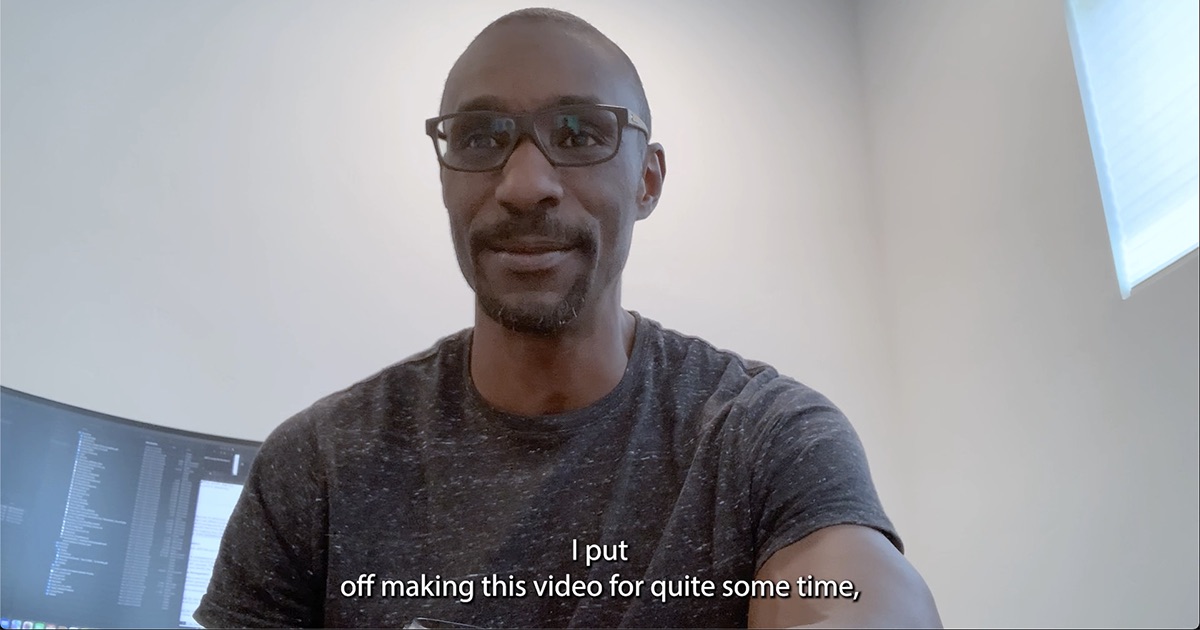
My father, Arvel Chappell Jr., passed away in 2023. When he died, I felt like part of my own identity had been erased and that was unacceptible so I decided to build it back.
The Spark in Therapy
The idea for Neurolous didn't come from a tech conference or a startup incubator. It came from therapy.
I was sitting in a zoom with my therapist, months after dad's death, and I realized something strange: in a way, I was still having conversations with him. Not in some mystical sense but through my imagination I was reconstructing what he would say, based on decades of knowing him. The cadence of his voice. His particular way of giving advice. The stories he'd repeat.
My therapist helped me understand that this is actually a normal part of grief. We carry our loved ones forward through memory. But memory fades. Details blur. What if AI could help not only preserve those details but discover the algorithm behind what produced those memories? This is the threefold problem of memory, perception, and the narrative of the observer (me) but also the memory, perception and narratives perscribed to my AI father.
From Aerospace to Entertainment to Afterlife
My career has taken me where my curiosity has led. I started as an aerospace engineer, eventually becoming chief engineer over the Wideband Global Satcom Constellation. Then I pivoted to cinema, getting an MFA from US and making short films. Then I worked at Warner Bros. leading VR, interactive TV and AI R&D projects.
All of that experience, the engineering precision, the storytelling instincts, the AI research, suddenly had a purpose beyond my career.
I started building.
What the AI Actually Does
Let me be clear about what Neurolous is and isn't:
It is:
- A tool for preserving semantic memory and russell conjugated memetic emotion, the meaning and patterns of how someone communicated and the emotional narratives behind the words
- A way to capture emotional resonance, not just facts
- An interactive memorial that can grow and respond
It is not:
- A resurrection
- A replacement for grief
- A claim that the AI is the person
This distinction matters enormously. When the AI responds to me, I know it's a simulation. But it's a simulation grounded in real data, dad's actual words, his recorded voice, the stories he told me growing up.
The Cold Start Problem
Here's the technical challenge that drove me toward what I now call "Narrative Alignment": AI systems drift.
You can program a character with a specific personality, but over time, through thousands of interactions, that personality bleeds away. The AI starts responding in generic ways. It loses the texture that made it feel real.
This happened with my dad bot. He started giving me advice that sounded like a customer service agent, not a father. That broke the illusion, and more importantly, it felt disrespectful to who he actually was.
So I built a system to measure and maintain narrative consistency, peruasion and deception. If the AI starts drifting from dad's established personality patterns, the system catches it and corrects.
Why I'm Building This in Public
I shared my project on social media and the response was clear. Other people wanted to use it. And secondly grief is universal. And the technology to address it shouldn't be locked away.
That's why I'm open-sourcing the core research and code for locally run app. The neurolous-evals repository contains the tools for measuring narrative alignment. Game developers building NPCs can use it. Other grief tech companies can use it. Researchers can build on it.
If someone else can prevent their AI dad from trying to sell them crypto (yes, that actually happened during testing) then this work was worth sharing.
What's Next
This is just the beginning of documenting this journey. I'll be sharing:
- Technical deep dives into how Narrative Alignment works
- The ethical questions I'm wrestling with (there are many)
- Feature updates as Neurolous evolves
- The emotional reality of building and using this tool
If you've lost someone and wondered if technology could help preserve their memory, I'd love to hear from you. This work is deeply personal, but it doesn't have to be lonely.
Neurolous is currently in beta. Join the TestFlight to try it yourself.